
On 10 April (Friday), NEXT Park × High 5 Cafe continued its 2026 event series at NEXT Park in Auckland, New Zealand.
The session was themed “The Market Outlook, Challenges and Investment Opportunities of Traditional Chinese Medicine in New Zealand”, featuring Mr. Rex Xi (Xi Renjie), Vice President of the New Zealand Acupuncture Standards Authority and an experienced industry expert, as the keynote speaker.
Drawing on his extensive experience in the traditional Chinese medicine (TCM) sector, Mr. Xi shared insights into the development history, current challenges, and future opportunities of the TCM industry in New Zealand, exploring how the sector can transition from fragmented individual practices towards a more integrated and scalable healthcare ecosystem.
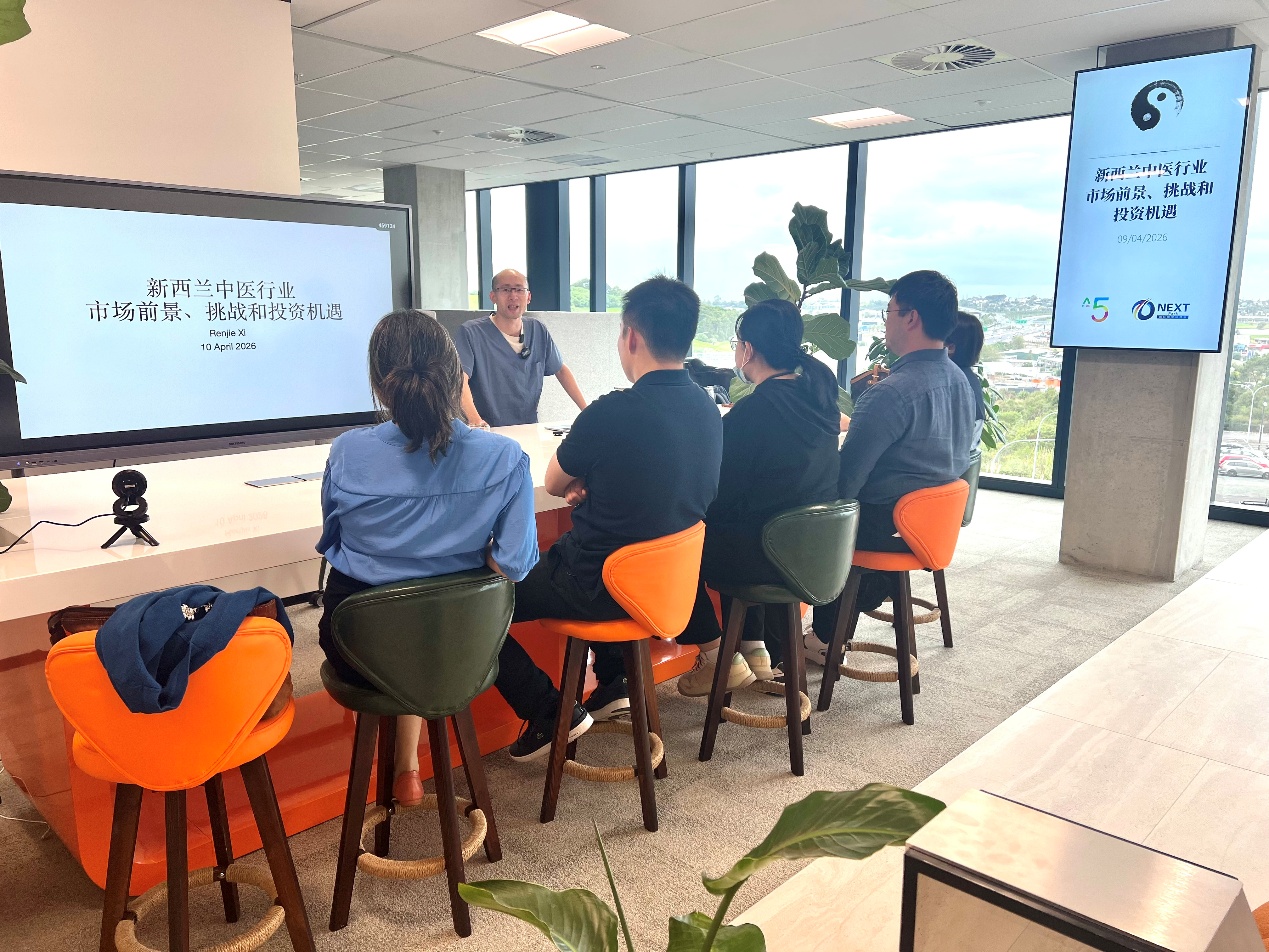
From “Fragmentation” to “Industry Development”: Reshaping the Future of New Zealand TCM
Reflecting on the century-long development journey of traditional Chinese medicine in New Zealand, Mr. Xi highlighted that despite having approximately 1,300 registered Chinese medicine practitioners, the industry remains highly fragmented.
Many practitioners currently operate as independent clinics, managing all aspects of their businesses individually. While this model allows for personalised care, it also creates limitations in terms of scalability, operational efficiency, and long-term industry development.
Mr. Xi analysed several structural challenges facing the industry:
Operational limitations
While TCM practitioners are capable of providing specialised and personalised healthcare services, traditional consultation models and independent practice structures limit service capacity and prevent many clinics from expanding into larger team-based operations.
Resource misalignment
Traditional Chinese medicine combines both general healthcare knowledge and specialised treatment capabilities. Mr. Xi noted that if better integrated into the broader healthcare system, TCM practitioners could provide additional value beyond existing services, including supporting patients in areas where the healthcare system faces accessibility challenges.
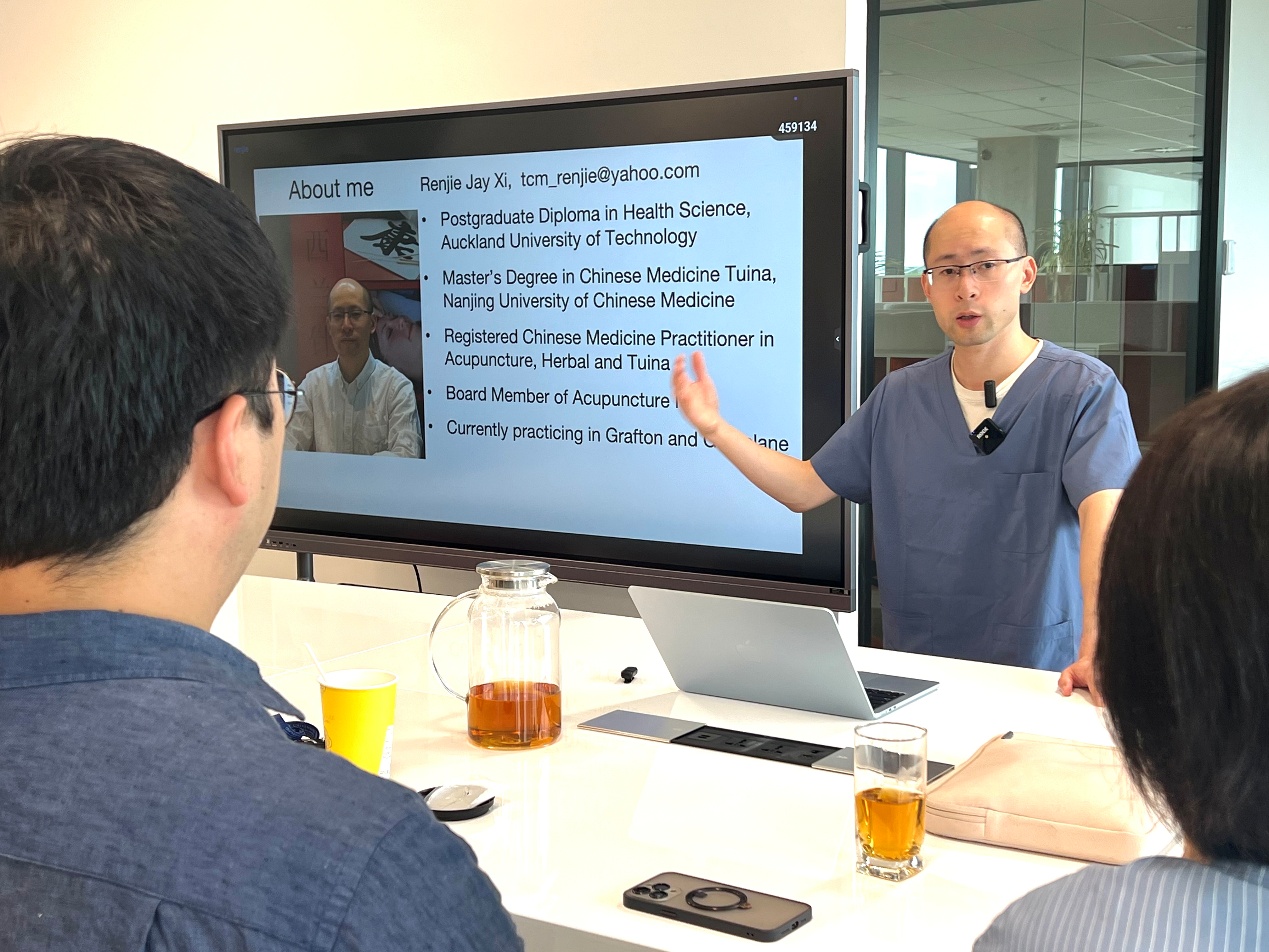
Breaking Through: From Independent Clinics to Integrated Health Solutions
Addressing these challenges, Mr. Xi proposed several future development opportunities for New Zealand’s TCM industry:
A Complementary Partner Within the Healthcare System
With its combination of holistic assessment and specialised treatment approaches, TCM has the potential to complement modern healthcare services by supporting patients in areas such as rehabilitation, chronic condition management, post-treatment recovery, and improving quality of life.
By becoming a stronger complementary component of the healthcare ecosystem, TCM can help address service gaps and improve healthcare accessibility.
Evidence-Based Development and International Collaboration
Mr. Xi emphasised the importance of strengthening evidence-based research and promoting continuous communication between TCM practitioners and Western medical professionals.
Through greater collaboration between New Zealand and international healthcare communities, TCM can continue exploring pathways for deeper integration with mainstream healthcare systems, including potential cooperation with public healthcare institutions.
Reverse Internationalisation and Healthcare Branding
During the discussion, representatives from Anwell Group shared their experience in developing a “reverse internationalisation” strategy — starting from New Zealand and expanding into international markets.
By leveraging differentiated advantages such as natural herbal formulations and wellness products, the company demonstrated how traditional health concepts can be transformed into broader lifestyle and wellbeing solutions.
This approach provides valuable insights for the TCM sector in overcoming fragmentation and building internationally recognised healthcare brands.
Building a More Accessible and Sustainable Healthcare Future
The session not only highlighted the structural challenges currently facing the traditional Chinese medicine industry in New Zealand, but also explored potential pathways for transformation through standardisation, digitalisation, collaboration, and brand development.
Mr. Xi emphasised that future healthcare models should balance accessibility and fairness, allowing more people to access quality healthcare services.
By embracing innovation and ecosystem development, TCM has the potential to evolve from a collection of independent practices into a more connected, professional, and sustainable healthcare industry.
The event was also delivered through multi-platform livestreaming via Douyin and WeChat Channels, attracting more than 200 online views. A number of key viewers stayed online for over 30 minutes, demonstrating strong audience engagement and interest in the topic.
Through its “Space + Incubation + Investment” model, NEXT Park × High 5 Cafe will continue to provide an open and professional platform for knowledge exchange, resource connection, and cross-sector collaboration.
By connecting high-quality resources across healthcare, technology, business, and investment sectors, the platform aims to create more opportunities for innovation and cooperation.
Looking ahead, NEXT Park × High 5 Cafe looks forward to continuing to “High Five” with more partners and explore new possibilities together.
For more information, please visit: www.nextpark.nz
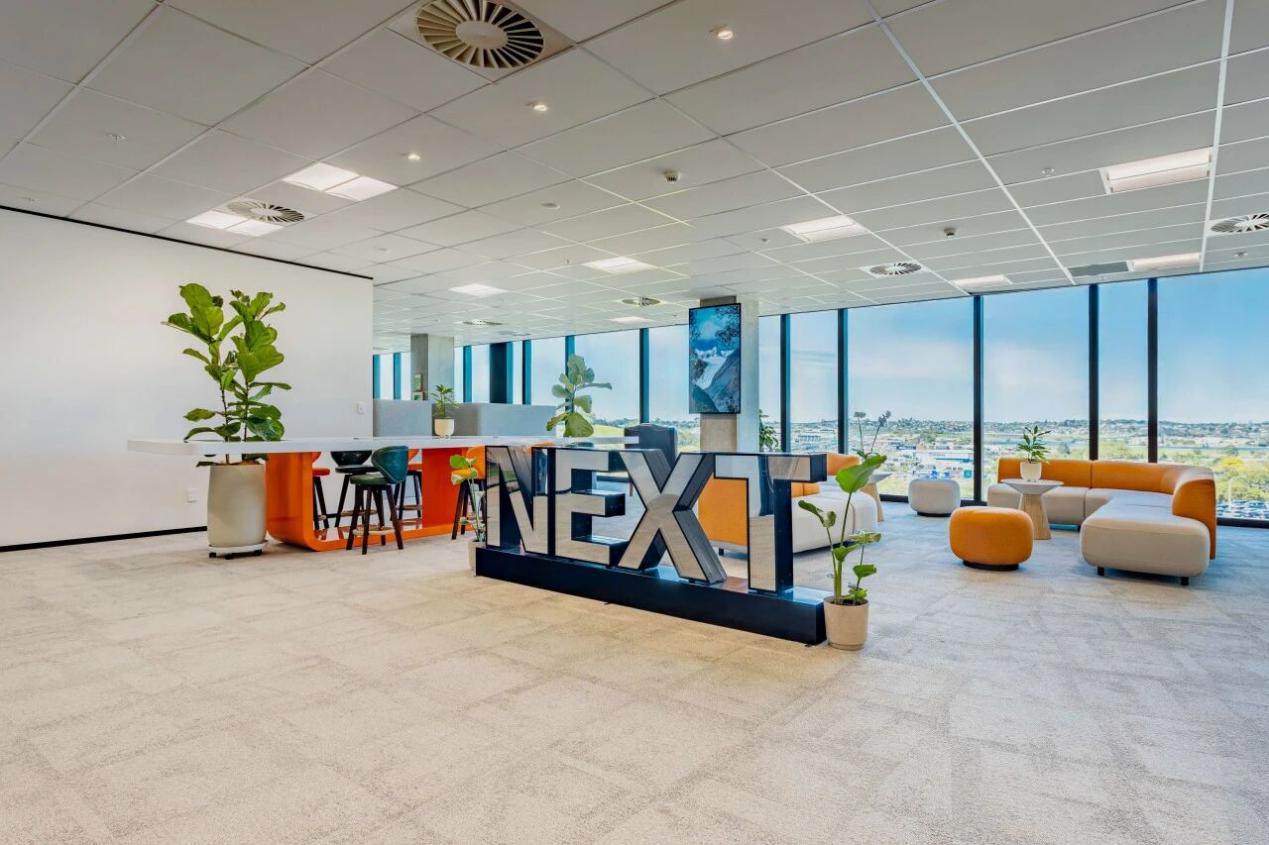
About New Zealand China Commerce & Inno Hubs
New Zealand China Commerce & Inno Hubs is a bilateral innovation initiative launched in 2025, led by NEXT Park, together with NEXT Federation, China Silk Road Development Capital Management Co., Ltd., Belt and Road Service Connections, TUS Holdings (GBA), and other strategic partners.
Guided by the principles of “Co-building and Sharing, Mutual Empowerment, Integrated Supply Chains, and Coordinated Trade & Investment,” the initiative is positioned around “Two Countries, Multiple Parks, Seamless Connectivity.”
By establishing an innovation park network across key cities in New Zealand and China, the Hubs provides an integrated “Space + Incubation + Investment” platform, supporting technology commercialisation, international incubation, and cross-border investment collaboration.
Through resource connectivity, complementary strengths, and long-term cooperation, the initiative aims to build a dynamic and mutually beneficial New Zealand–China innovation ecosystem.