
On 2 May, the NEXT Park × “High 5 Café” Series was successfully held at NEXT Park Auckland, New Zealand. As a member event of the New Zealand Liaoning General Chamber of Commerce, the event was hosted by the New Zealand Liaoning General Chamber of Commerce under the theme “The Year AI Grows Hands”.
The event featured Pin Zhou, Founder and CEO of BEEBEE AI, as the keynote speaker. Drawing on his practical experience in AI applications and enterprise services, Zhou explored the critical transition of AI from “demonstrating capabilities” to “delivering real business value”, and shared practical insights into how small and medium-sized enterprises (SMEs) can effectively adopt and implement AI solutions.
Focusing on real business scenarios, the session emphasized practicality, implementation, and scalability. Participants engaged in active discussions around common misconceptions, challenges, and opportunities in AI adoption. The session was moderated by Dylan Huang, President of the New Zealand Liaoning General Chamber of Commerce.
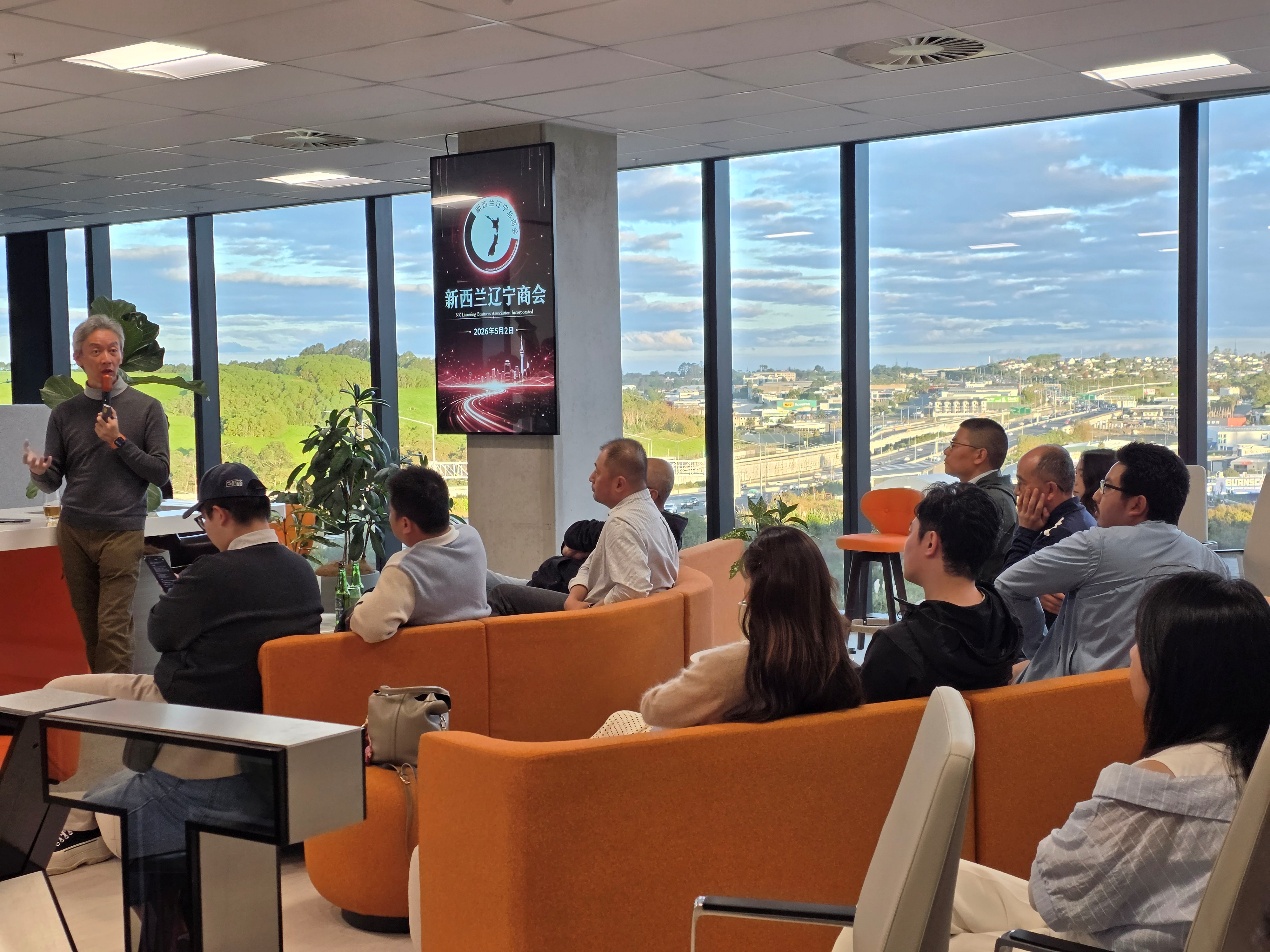
From “Being Able to Use” to “Creating Real Value”: The Key Evolution of AI
At the beginning of the session, Pin Zhou reviewed the development journey of AI over the past three years, based on his experience in AI applications and enterprise transformation.
He explained that AI has evolved from simply “being able to chat”, to understanding complex problems, and further towards multimodal capabilities and AI agents. AI is no longer just a productivity tool, but is becoming an intelligent executor capable of participating in real business operations.
According to Zhou, 2026 marks the year when AI truly “grows hands” — a stage where AI can begin to handle continuous workflows and perform practical tasks, moving from an assistant role into a real component of enterprise operations.
This transformation means that AI adoption is no longer simply a technological choice for businesses, but increasingly a key factor determining operational efficiency and competitiveness.
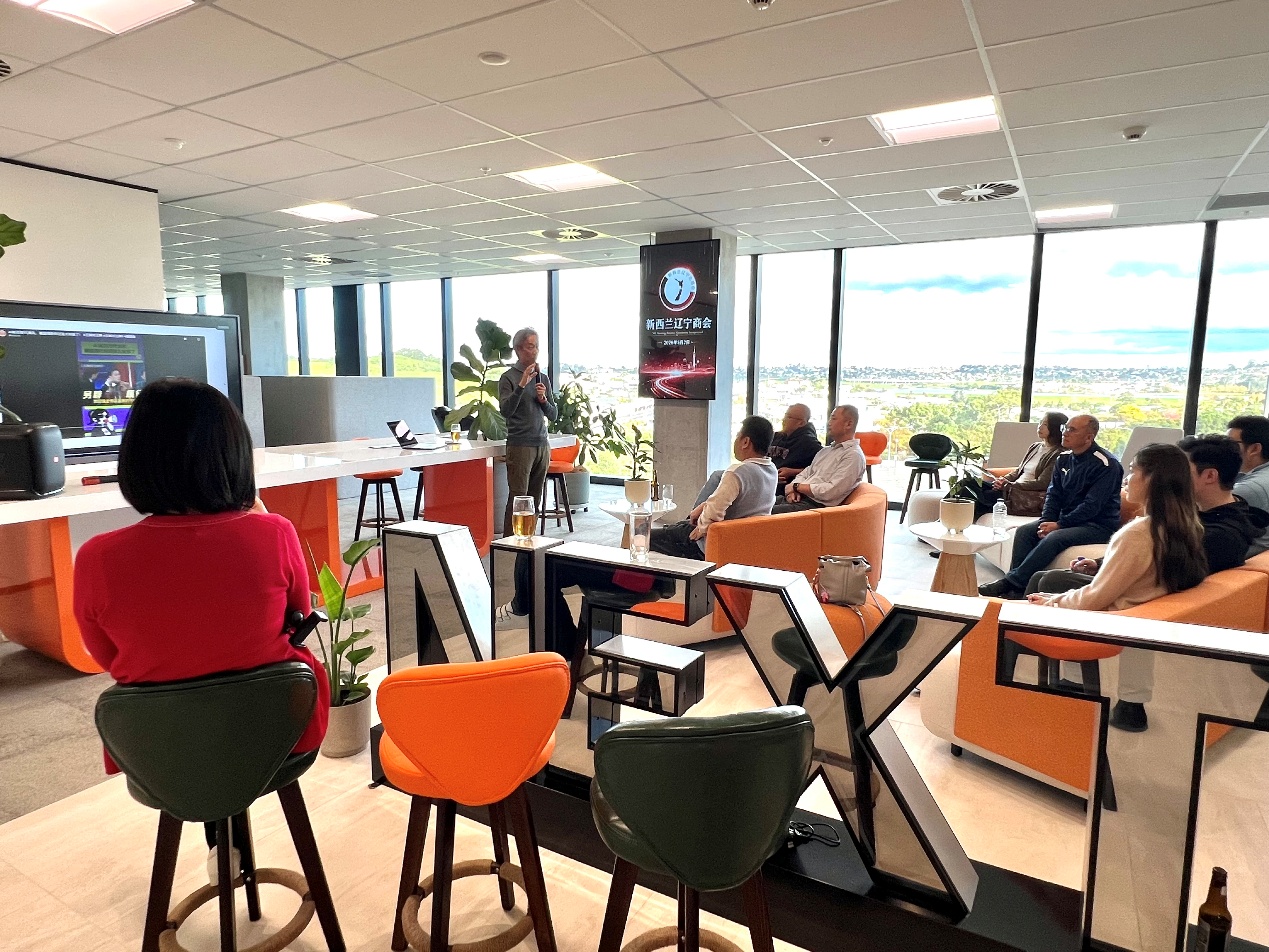
“One Must, Three Don’ts”: Key Principles for SMEs Adopting AI
Addressing the uncertainty and concerns many businesses face when adopting AI, Pin Zhou proposed a clear and practical decision-making framework:
One Must: Business Leaders Must Personally Use AI
The first barrier to AI adoption is not technology, but mindset.
Only when business leaders personally experience and use AI can they develop a realistic understanding of its potential and identify suitable applications for their own organizations.
Three Don’ts: Avoid Common AI Adoption Mistakes
Don’t simply copy the approach of large enterprises
SMEs need solutions suited to their own resources and business models.
Don’t rely only on technical specialists
Successful AI implementation requires a combination of business understanding and technical capability.
Don’t start by transforming core business operations immediately
Businesses should begin with lower-risk scenarios and gradually expand based on proven results.
These principles highlight the fundamental reason why many AI initiatives fail: the issue is often not a lack of technology, but choosing the wrong starting point.
Where to Start: Four Practical AI Application Scenarios
In terms of implementation, Zhou emphasized that SMEs should prioritize high-frequency, low-risk scenarios where AI can quickly demonstrate value.
Examples include:
- Improving efficiency in email and information management;
- Optimizing website operations and content creation;
- Automating documentation and reporting processes;
- Enhancing employee onboarding and internal knowledge management.
These application areas allow businesses to quickly test AI’s effectiveness, build confidence, and gradually expand AI adoption across broader operations.
The True Value of AI: Improving Decision-Making Efficiency, Not Replacing Employees
During discussions on whether AI will replace human workers, Zhou offered a deeper perspective:
In the past, businesses expanded their capabilities through stronger execution. In the future, competitive advantage will increasingly come from improved decision-making efficiency enabled by AI.
AI is best suited for repetitive, standardized tasks, while humans should focus on strategic thinking, innovation, relationship building, and complex decision-making.
He introduced the concept of “Silicon-based Employees”, describing AI systems as stable, long-term execution units that may reshape organizational structures and future ways of working.
From Tools to Systems: AI Adoption Requires Workflow Transformation
A key message from the session was that businesses do not simply need more AI tools — they need AI integrated into complete business workflows.
Only when AI becomes embedded into operational processes and continuously delivers value can enterprises achieve sustainable efficiency improvements and long-term benefits.
Three Actions Businesses Can Take Immediately
At the conclusion of the session, Pin Zhou shared three practical recommendations for businesses:
Take action immediately:
Start using AI personally and build direct experience.
Focus on one area:
Select a specific business scenario and successfully implement an AI workflow.
Find the right people:
Work with professionals who understand both business needs and AI capabilities — acting as “translators” between technology and business.
These recommendations provide SMEs with a clear and achievable pathway toward AI adoption.
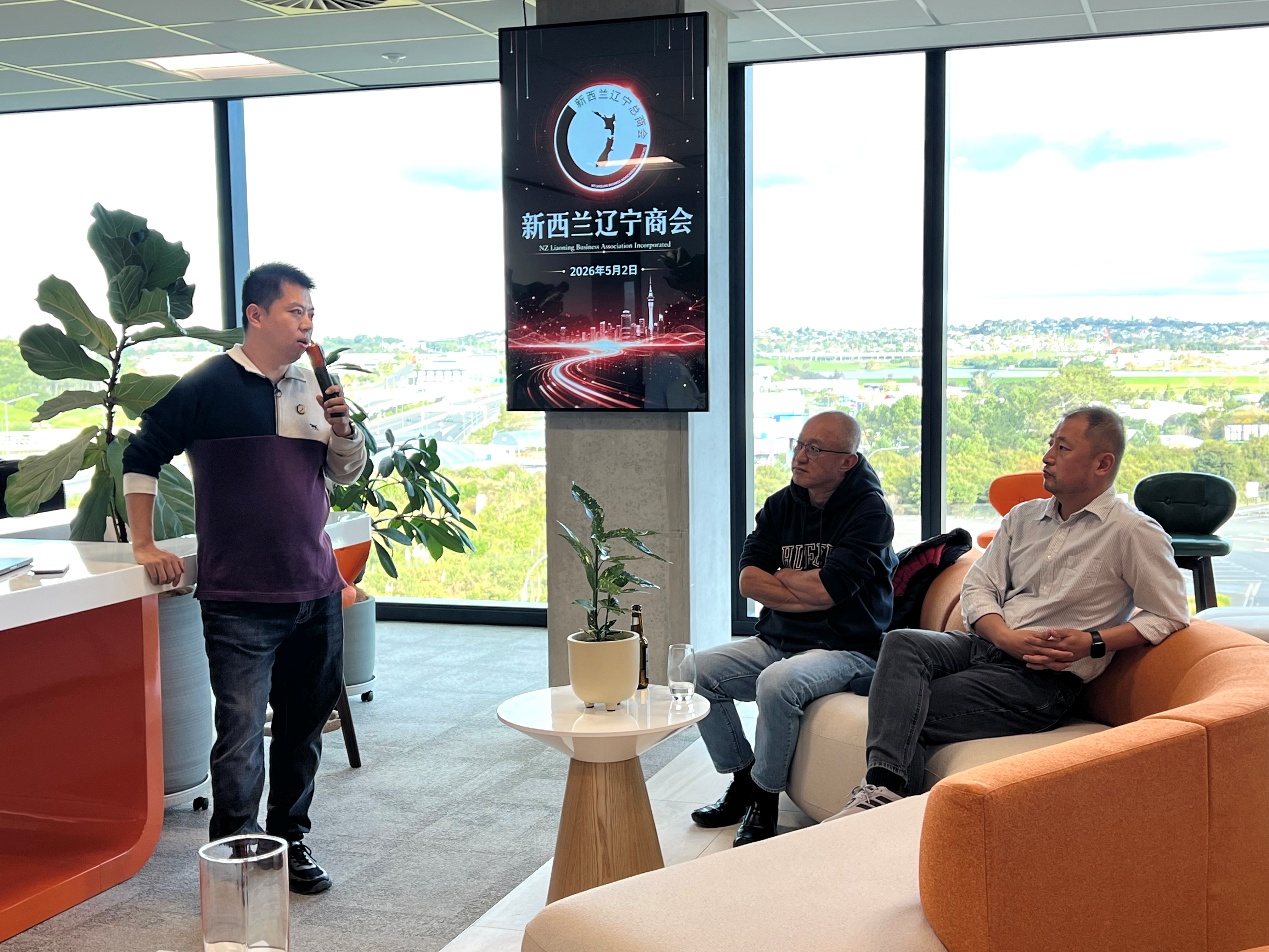
Looking ahead, NEXT Park × High 5 Cafe looks forward to continuing to “High Five” with more partners and explore new possibilities together.
For more information, please visit: www.nextpark.nz